
How to Pick the Perfect Grout Color: A Step-by-Step Guide

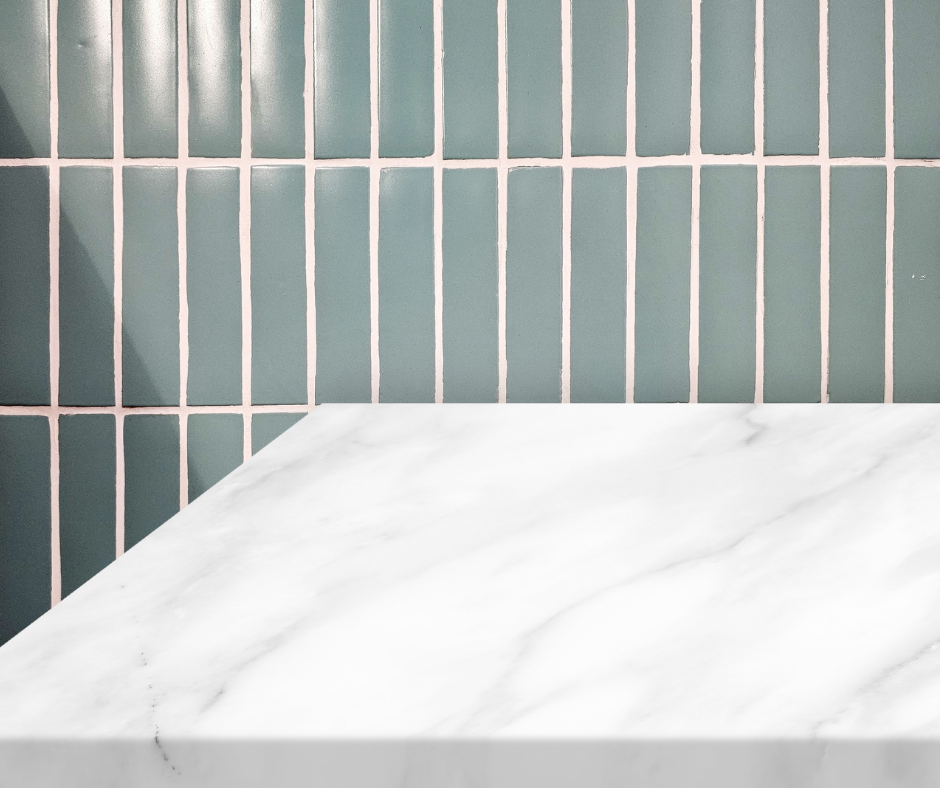
Choosing tile is usually an exciting part of a design project, but choosing the right grout color is just as important. The right grout color can elevate tile, highlight patterns, and create a polished, high-end look.
At Distinctive Tile and Stone, we love helping homeowners and designers make the best choices that bring their spaces together. This step-by-step guide explains how to pick the perfect grout color for your tile installation.
Step 1: Decide if You Want Contrast or Continuity
Start by identifying the overall look you want to achieve. Grout can either blend with the tile or create contrast.
Matching grout creates a seamless, calm appearance that allows the tile surface to feel expansive and cohesive. Contrasting grout highlights individual tiles, patterns, and layouts, which works especially well for subway tile, mosaics, and decorative designs.
Knowing this upfront helps narrow your options quickly.
Step 2: Consider the Tile Color and Pattern
Grout should enhance your tile, not compete with it. For solid-colored tile, neutral grout tones like warm gray, beige, or soft white often work best. For patterned or textured tile, choose a grout color that supports the dominant tone within the tile.
If the tile has multiple colors, pull a subtle shade from the pattern to keep the design balanced and intentional.
Step 3: Think About the Size of the Space
Grout color can visually impact how large or small a space feels. Lighter grout paired with light tiles can make a room feel more open and airy. Dark grout adds definition and can make a large space feel grounded and dramatic.
In smaller spaces like bathrooms or backsplashes, blending grout often creates a cleaner and more expansive look.
Step 4: Factor in Maintenance and Wear
Practical considerations matter just as much as aesthetics. Light grout can show stains and discoloration more easily, especially in high-traffic areas, kitchens, and showers. Medium to darker grout colors tend to be more forgiving and easier to maintain over time.
Choosing a high-quality grout and proper sealing also helps preserve color and longevity.
Step 5: Test Grout Samples Before Finalizing
Grout color can look different once installed and fully cured. Test samples with your actual tile in the space where it will be installed and view them under your lighting conditions.
This step ensures there are no surprises once the project is complete.
Step 6: Coordinate with Surrounding Materials
Grout does not exist in isolation. Consider cabinetry, countertops, paint colors, and flooring nearby. A cohesive palette across all materials creates a refined and professionally designed space.
Subtle grout choices often perform best when they connect the tile to surrounding finishes.
Step 7: Work with Tile Experts You Trust
Professional guidance can make all the difference. Experienced tile specialists understand how grout color interacts with different tile types, layouts, and environments.
At Distinctive Tile and Stone, our team helps you select grout colors that complement your tile and enhance the overall design, ensuring beautiful and lasting results.
Complete Your Tile Design with Confidence
Picking the perfect grout color is a critical step in achieving a polished tile installation. With careful planning, testing, and expert advice, grout becomes a design feature rather than an afterthought.
Visit Distinctive Tile and Stone to explore our tile collections and receive personalized guidance for your next project.


Comments